
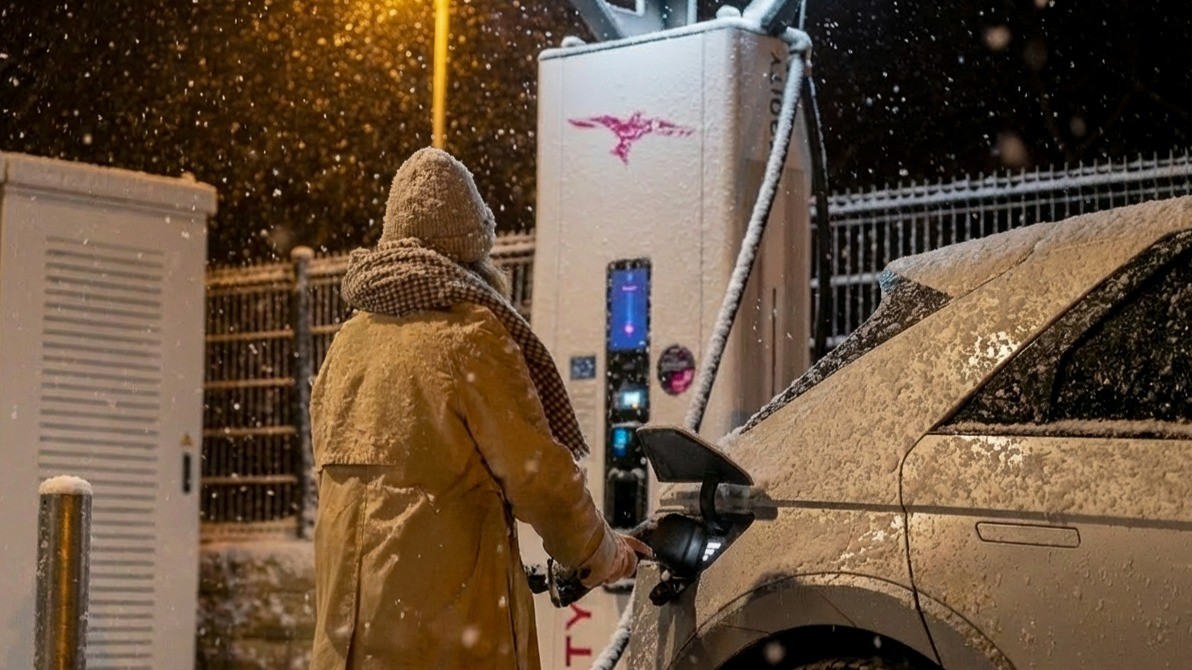
As we enter 2026, the pace of change in electromobility continues to accelerate. Based on our experience across projects, markets and technology development, we highlight five key trends that will shape the future of fast and ultra-fast EV charging in the year ahead.
1. Higher power and standardisation: MCS moves into real-world deployment
In 2025, the MCS ecosystem has largely completed its phase of interoperability testing and early pilot projects. In 2026, the Megawatt Charging System enters the stage of commercial implementation, enabling heavy-duty vehicles to recharge batteries of 200–600 kWh within the legally required 45-minute break with power levels exceeding more than 1 MW.
This marks a crucial step toward global interoperability and truly efficient charging for electric trucks.
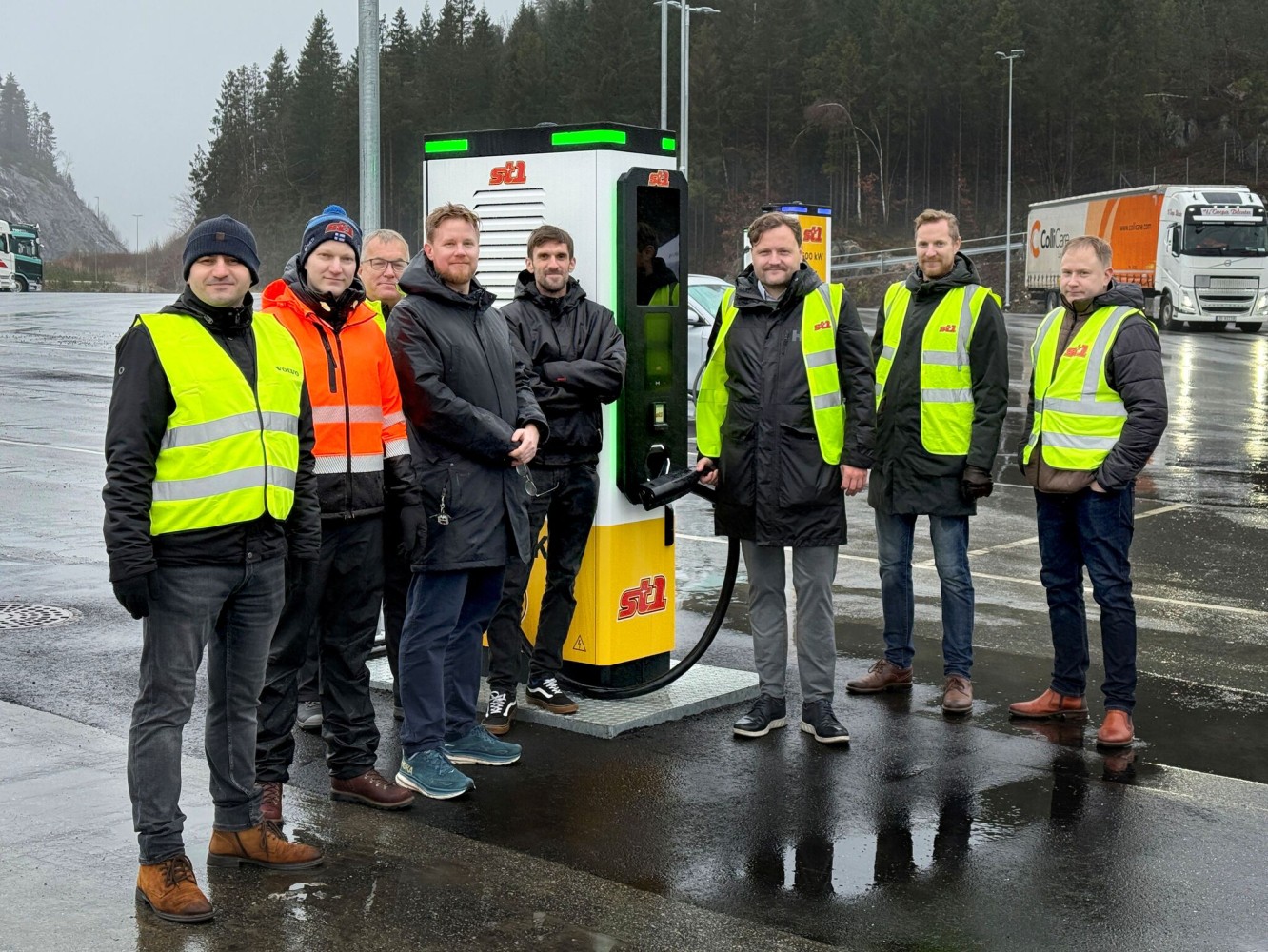
A clear confirmation of this trend is our first SAT1500 MCS installation at the ST1 charging hub in Norway, as well as several MCS infrastructure projects currently underway, with delivery planned for the first half of 2026.
Explore our MCS solution tailored for this trend.
2. Ultra-fast charging becomes mainstream
By 2026, ultra-fast charging above 350 kW is no longer a niche, it becomes the standard. At the same time, next-generation infrastructure offering up to 600 kW and modular scalability is being deployed across a growing number of locations.
This trend is driven by two forces:
- continuous progress in battery technology, and
- increasing demand from fleets operating vehicles with larger battery capacities.
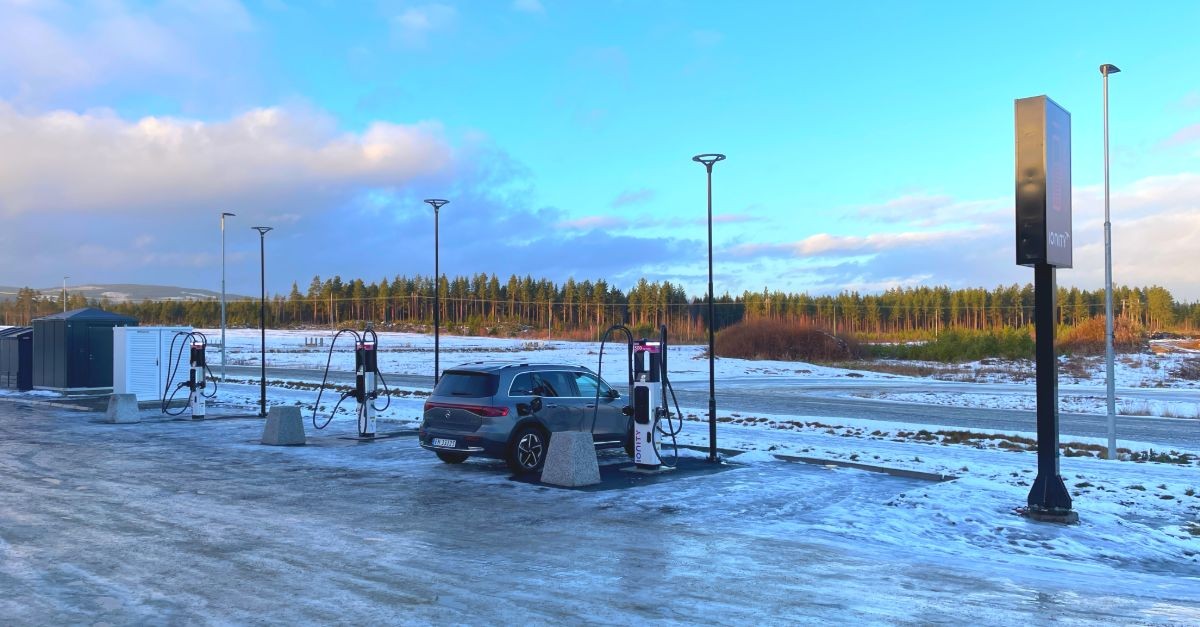
In December, IONITY launched a new charging hub in Norway, equipped with Ekoenergetyka’s split solution with SAT400 satellites, enabling a charging power of up to 500 kW.
Explore more about split charging solutions tailored for this trend.
3. Charging hubs evolve into multi-stand, service-oriented destinations
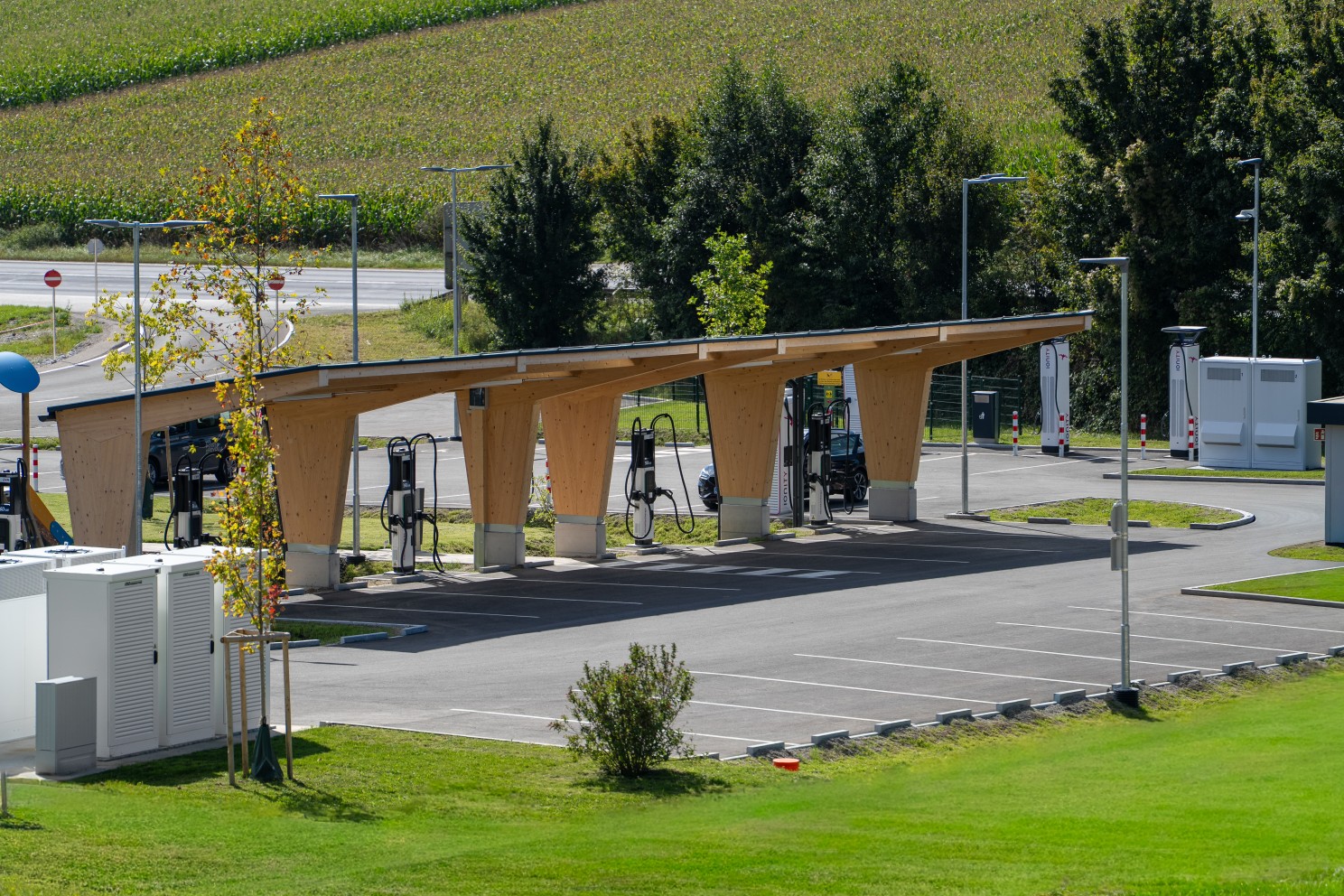
Charging stations are no longer just technical infrastructure. In 2026, we see a clear shift toward large, multi-stand charging hubs designed around user experience: attractive spaces, additional services, and seamless operation.
A great example is the EVN hub in Amstetten, Austria – the 16 charging points hub, featuring 16 charging points and charging power of up to 360 kW.
This reflects a broader trend: the rapid development of high-power, multi-stand charging hubs — exactly the type of infrastructure our split solutions are designed for.
👉 Explore our split charging solutions tailored for this trend.
4. New business models and the rise of Charging-as-a-Service
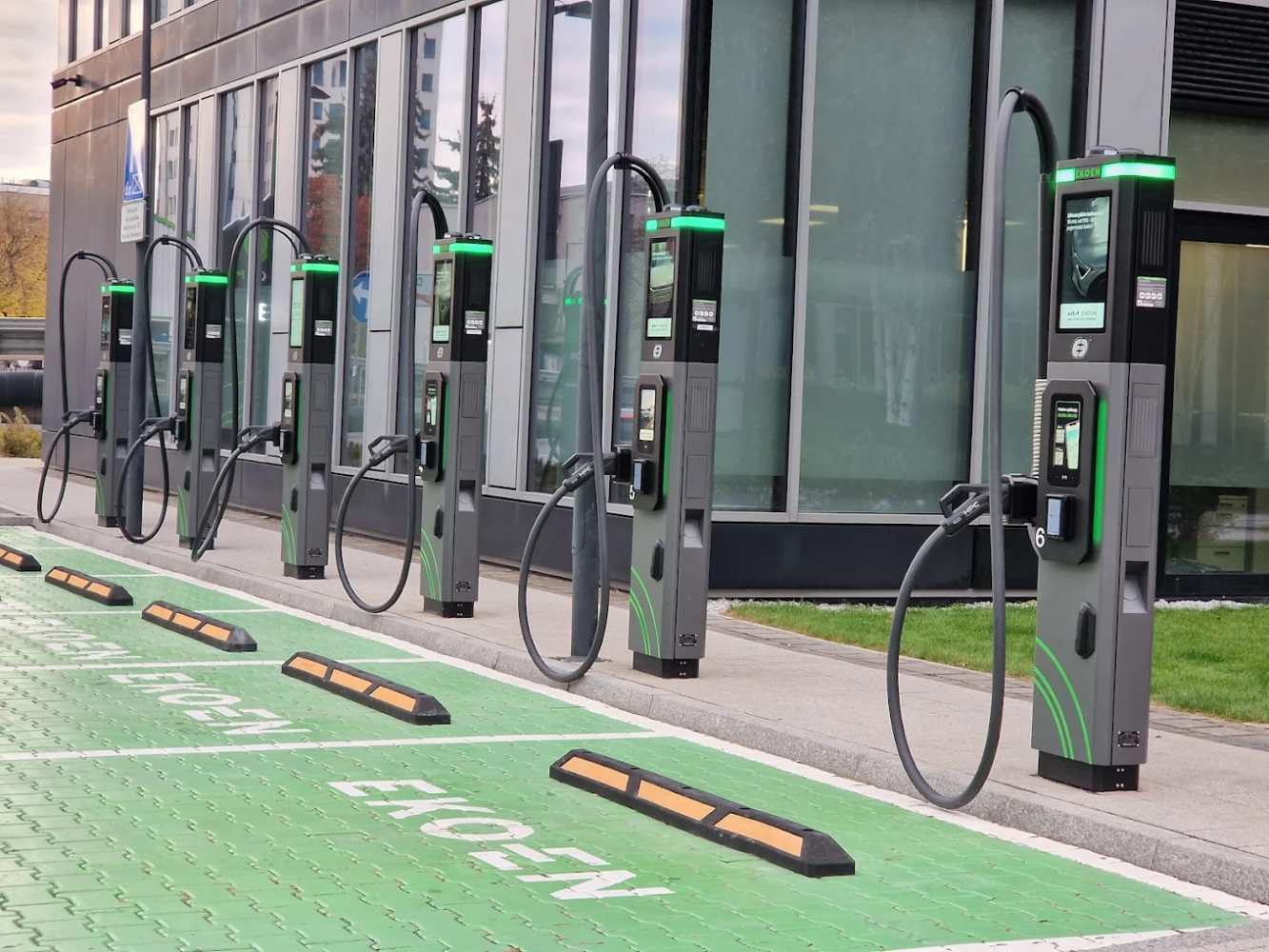
Charging-as-a-Service (CaaS) continues to gain momentum, allowing fleets, retailers, and property owners to deploy charging infrastructure with lower upfront investment. Installation, operation, and maintenance are bundled into a single service – significantly reducing CapEx and technical risk.
https://ekoenergetyka.com/products/sat-400/One practical example is Ekoen, a Polish CPO offering a door-to-door charging service. At the charging hub located at Postępu 14 in Warsaw, equipped with SAT400 chargers by Ekoenergetyka, Ekoen supports the AstraZeneca's fleet.
The process is simple: vehicle keys are left at reception, an Ekoen operator charges the car, and it is returned fully charged to its parking spot – a clear illustration of how service-based models accelerate fleet electrification.
5. V2G, V2H and the new role of EVs as energy assets
Vehicle-to-Grid (V2G) and Vehicle-to-Home (V2H) technologies are becoming increasingly integrated into charging infrastructure. Electric vehicles are starting to function as dynamic energy storage assets, supporting grid stability and increasing demand-side flexibility.
This trend is especially important in the context of:
- growing shares of renewable energy, and
- increasing volatility in power grids.
We explored this topic in more depth in our episode of the EV Generation podcast, where we discussed how electromobility is becoming an integral part of the broader energy system.
Together, these trends show that electromobility in 2026 will be defined not only by faster charging, but by smarter infrastructure, scalable business models, and deeper integration with energy systems.